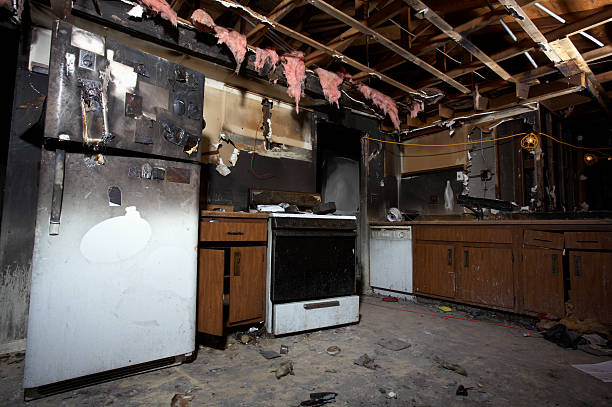
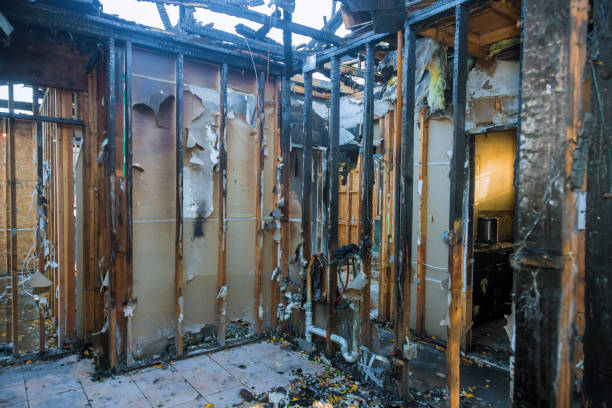
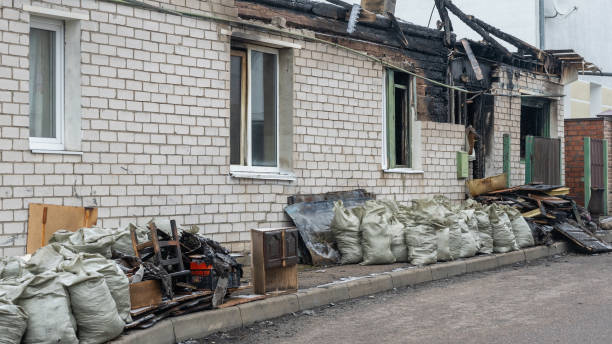
A smoldering fire leaves thick wet-smoke residue, while a fast-burning fire leaves powdery dry-smoke residue — treating them the same way rarely works well in Seabrook, SC homes.
📞 Call +1-866-484-1409 Now
Skipping this step is how the wrong cleaner ends up setting a stain.
Each surface in your Seabrook, SC property gets what actually works on it.
Full coverage on every Smoke Damage Removal job we take on.
Most calls get a technician on-site within the hour.

Left untreated, this residue tends to yellow surfaces over time.
Sticky film from burning plastics, lifted with solvent-based agents that won't absorb into the material.
A solvent pass followed by a dry-sponge pass usually clears this type fully.
This type spreads into fine cracks that need careful, patient sponge work.
Ductwork often carries residue into rooms that never saw visible smoke.
Wiping upholstery just moves residue around instead of removing it.
A technician answers and dispatches the nearest available crew.
Mobile units carry everything needed for the initial test.
You approve the plan before any surface gets treated.
Nothing wraps up until the residue is fully addressed.
"Turns out what we had was protein residue — once they used the right treatment, the smell finally cleared." — Homeowner, Seabrook
"A different company had already tried and failed on the sticky residue from our melted microwave. Meridian Smoke Damage's solvent approach actually worked." — Landlord, Seabrook
"I didn't know residue testing was even a step in this process until they explained why using the wrong cleaner can backfire." — Homeowner, Seabrook, SC
Protein smoke smells strong with little visible film; synthetic smoke leaves an obvious residue.
Regular cleaning products can smear or set certain residue types deeper.
A small test area tells us which cleaning method will actually work.
Surface cleaning and odor treatment are related but handled as separate steps.
Usually within the hour, with crews staged locally near Seabrook.
We keep response times short across Seabrook with agents staged for all four residue categories.